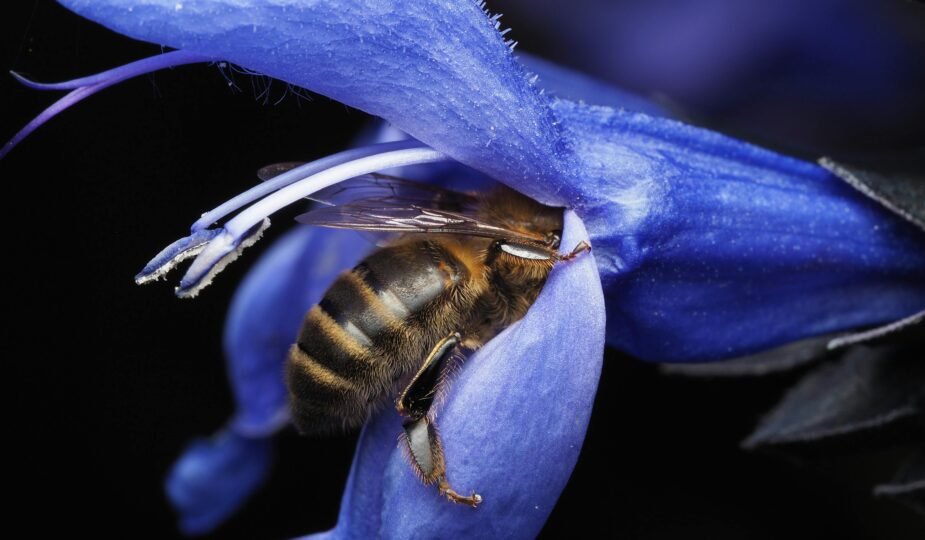
A garden feels most alive when bees hum, butterflies drift and birds dart between blooms. These visitors not only enhance the aesthetic appeal of the scene, but also maintain the vitality of the plants.
Invite them in, and your patch becomes a sanctuary for colour, movement, and renewal.
Choose Plants That Speak the Local Language
The simplest way to attract pollinators is to grow plants that are native to your area. They’re well adapted to British weather and soil, and their nectar and pollen match exactly what local insects need.
Foxgloves, primroses, and rowan trees are familiar examples that quickly attract bees, butterflies, and birds.
It also helps to plan a sequence of flowers so that something is in bloom for most of the year. Snowdrops, crocuses, and early blossoms provide food at the end of the winter.
In summer, lavender and sunflowers take over, while in autumn, asters and sedum continue the supply when other sources run low. This ensures pollinators are supported throughout the seasons.
Nurseries and gardening clubs can recommend the right native plants for your soil type, whether it’s chalky or heavy clay. Community seed swaps can also be a beneficial way to find varieties that suit local conditions and preserve plant diversity.
By making thoughtful choices, you create a garden that’s both attractive and valuable to the pollinators that depend on it.
Shape Habitats That Truly Welcome Visitors
Planting alone isn’t enough. Pollinators also need places to rest, nest and drink.
A shallow dish of water with scattered pebbles allows bees and butterflies to pause safely. Such details matter most in the height of summer when streams run low and the ground hardens.
Wild corners, where nettles and long grasses remain untamed, provide invaluable shelter. These patches may seem neglected, yet they serve as nurseries for insects whose life cycles depend on undisturbed ground.
The relaxed approach eases the burden of constant tidying while giving creatures the privacy they need.
Sunlight, too, plays its part. Bees, especially, are warmth-lovers, drawn to sunny beds where petals open wide.
Observing your garden throughout the day reveals which areas bask in light and which sit in shade, helping you decide where best to situate pollinator-friendly planting.
Over time, small adjustments in layout can noticeably increase the number of visitors.
Celebrate Variety in Flower Form and Colour
Different pollinators are drawn to different blossoms.
Bees prefer blue, white, and yellow flowers with open forms, while butterflies delight in vivid purple and red. Long tubular blooms in deep scarlet or pink attract hummingbird hawk-moths and similar species.
The greater the variety, the richer the spectrum of life your garden will host.
Planning for sequence as well as choice is key. Early blooms provide nectar when little else is available, mid-season flowers sustain the busiest months, and late offerings keep the cycle alive until frost.
This rolling banquet ensures your space hums with energy from spring through autumn.
That said, variety isn’t only for the pollinators. A garden buzzing with life, shifting colours and soft movements becomes a daily source of joy, lifting spirits as much as it sustains ecosystems.
By embracing diversity, you’ll receive it back in abundance, season after season.
Rethink Pest Control and Chemical Use
Pollinators can’t thrive in landscapes laced with toxins.
Pesticides interfere with their delicate navigation systems, leaving them confused and vulnerable. Gardens reliant on chemical sprays appear controlled, yet beneath the surface they diminish the very creatures that make growth possible.
In addition, repeated spraying often harms soil life, weakening long-term fertility. Natural alternatives offer a gentler hand. Ladybirds feast on aphids, hoverflies patrol for pests, and lacewings consume mites in great numbers.
Encouraging these allies means fewer problems without collateral damage. For additional help, organic solutions such as neem oil or simple garlic sprays deter pests while leaving pollinators unharmed.
This approach respects nature’s balance and enriches the gardener’s relationship with it.
By working alongside beneficial species, you become a steward rather than a controller, preserving the health of the soil and reducing the need for constant intervention.
Blend Edibles and Ornamentals for Mutual Benefit
Herbs and vegetables play as significant a role as flowers.
Rosemary, thyme and basil release irresistible scents that draw bees, while courgettes and tomatoes, left to blossom, invite insects that secure their own harvests. Planting them close to the kitchen door offers convenience for both the cook and the pollinator.
Healthy soil underpins this abundance. Compost and manure feed the earth in ways artificial fertilisers can’t match, ensuring plants thrive and their flowers open fully.
Attending to soil texture, drainage and organic matter is as much a part of pollinator care as the choice of seed.
Equally, integrating edibles with ornamentals adds charm to the space. A row of lavender edging vegetable beds, or nasturtiums tumbling among beans, brings beauty and productivity together.
It becomes easier to think of gardening maintenance not as a chore but as a gentle rhythm, guided by nature’s own patterns and made more enjoyable with each harvest.
Create Homes and Share Knowledge
Not all bees live in hives. Many are solitary, requiring modest yet specific shelters.
A simple bee hotel built from hollow canes or drilled wooden blocks offers such accommodation. Placed in a sunny, sheltered spot, it becomes a nursery where future generations will take root.
Regular cleaning keeps the lodgings safe and ensures that residents return year after year.
Beyond the personal garden, sharing knowledge extends the impact. Local clubs, schools, and community groups frequently hold workshops where they demonstrate pollinator-friendly practices and exchange seeds.
Talking about hawthorn hedges, lavender borders or wildflower meadows inspires others to adopt similar approaches.
Moreover, social media spreads the message further, while planting events and shared gardens create collective havens. Each act, whether small or large, contributes to a network of safe spaces where pollinators can flourish.
Together, these efforts help sustain a landscape alive with wingbeats and colour.
Conclusion
Inviting pollinators into your garden is like caring for a living sanctuary.
Each thoughtful choice rewards you with colour, movement, and a harmony that only nature can create.
Take pride in the fact that your patch now stands as both a refuge for wildlife and a quiet triumph of dedication.